Case Studies

The work that shaped the method.

Each project taught a lesson. Together they became Emotional Architecture™ — a framework for designing spaces people feel and return to.

Featured · 01

Dharma Healing

Programming as the Product

What founding Dharma Healing taught me about building a living ecosystem.

What It Taught

Programming creates culture. Culture creates community. Community creates loyalty.

Outcomes

  • Built a recurring weekly programming calendar across yoga, sound, music, healing and ritual
  • Hosted nationally recognized artists (Coco & Breezy, Lincoln Jesser) while building a local facilitator network
  • Converted a residential property into a destination wellness ecosystem with recurring membership-style participation
  • Established ongoing partnerships with practitioners, musicians and cultural collaborators

Dharma Healing was not simply a wellness space. It was the physical expression of my life's work.

After years of working across events, hospitality, real estate, experiential marketing, yoga, and community building, I founded Dharma Healing as a place where all of those worlds could come together.

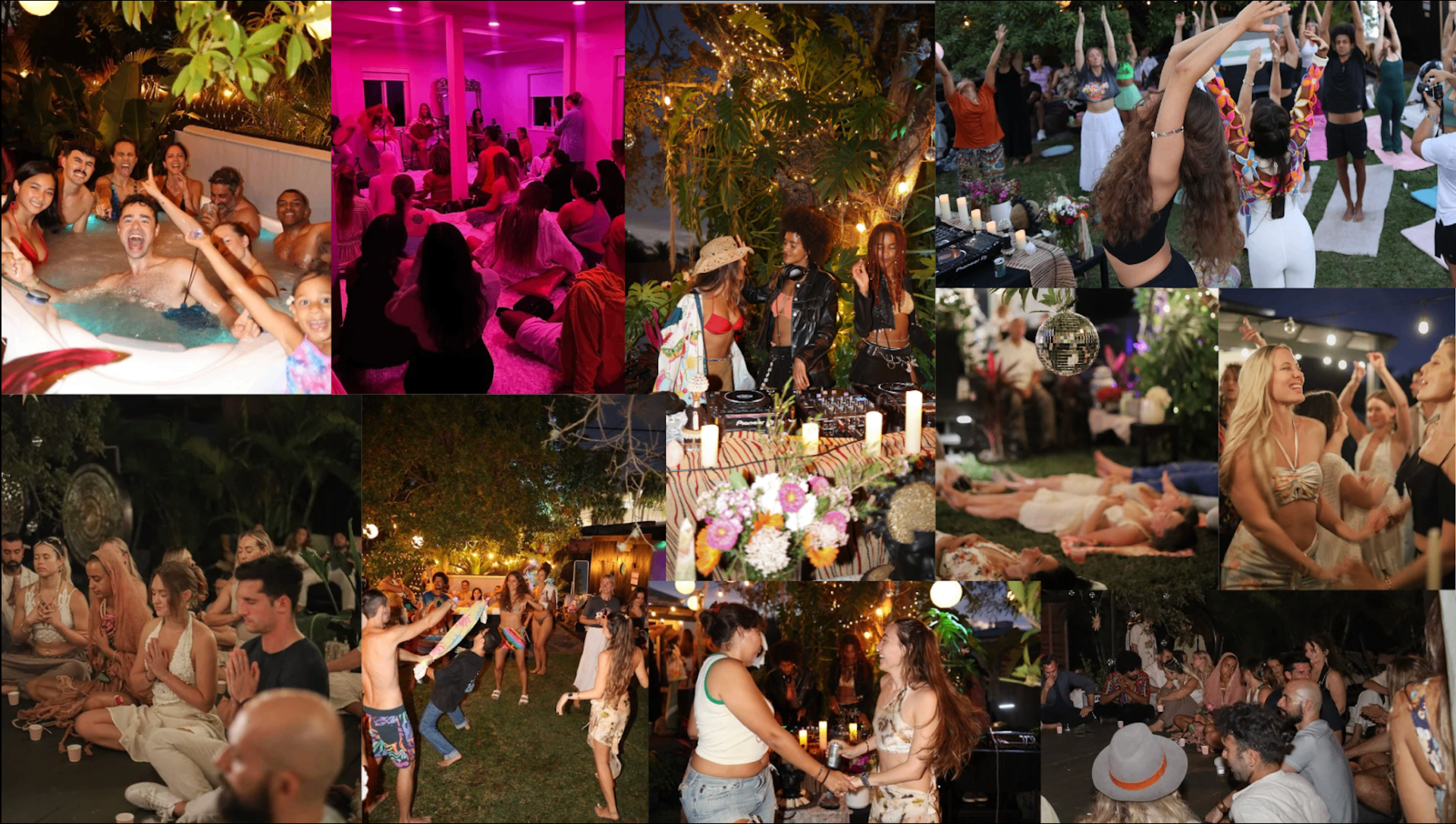
What began as a residential home in Miami was transformed from the ground up into an urban oasis designed around healing, connection, and belonging. The property was reimagined to include a custom sauna, cold plunge, hot tub, yoga shala, healing rooms, and communal gathering spaces intentionally designed to bring people together.

The project extended far beyond the physical transformation itself. From designing the wellness experience and water sanctuary to creating programming systems, recruiting teachers, building facilitator networks, establishing operational frameworks, developing memberships, and activating the space through events and partnerships, Dharma became a full-scale experiment in how intentional systems create culture. Every element was designed to work together as part of a larger ecosystem.

But the physical environment was only one layer of the experience.

Miami had yoga studios, wellness practitioners, event venues, and nightlife. What it lacked were places where people could consistently gather around healing, music, philosophy, ritual, recovery, and genuine community.

The opportunity was not simply to create another wellness brand. The opportunity was to create a living ecosystem.

Drawing from my background in UX/UI design, hospitality, yoga philosophy, experiential events, and community building, I developed a complete programming infrastructure around the space.

The ecosystem included daily yoga, meditation, breathwork, sound healing, healing arts, workshops, retreats, philosophy discussions, women's circles, music gatherings, one-on-one healing sessions, and recurring community events designed to create meaningful opportunities for connection.

Dharma Healing became both a platform for internationally recognized artists and a home for emerging local practitioners. The space hosted conscious music leaders such as Coco & Breezy and Lincoln Jesser while also providing local healers, teachers, facilitators, and musicians an opportunity to grow their audience, share their gifts, and build community.

Every element served a purpose. The yoga created practice. The water sanctuary created recovery. The healing rooms created intimacy. The events created culture. The facilitators created trust. The community created belonging.

Dharma Healing became a living laboratory for Emotional Architecture, testing the questions I had been studying for years: What makes people feel safe enough to open? What makes people return? What turns strangers into community? How does ritual create belonging? How does programming create culture? How does a space become a home?

The project ultimately reinforced one of the central principles behind Emotional Architecture: people do not become loyal to places because of amenities alone. They become loyal because of the relationships, rituals, memories, and communities created there.
Case Study · 02

Community as a Leasing Strategy

What co-living taught me about belonging.

One of my earliest explorations into Emotional Architecture™ came through helping shape community experiences surrounding Society, the co-living operational brand behind PMG — one of Miami's largest developers.

The opportunity was not simply to create events for residents. It was to understand why people would want to live there in the first place.

The insight was simple: people were not just looking for an apartment. They were looking for connection.

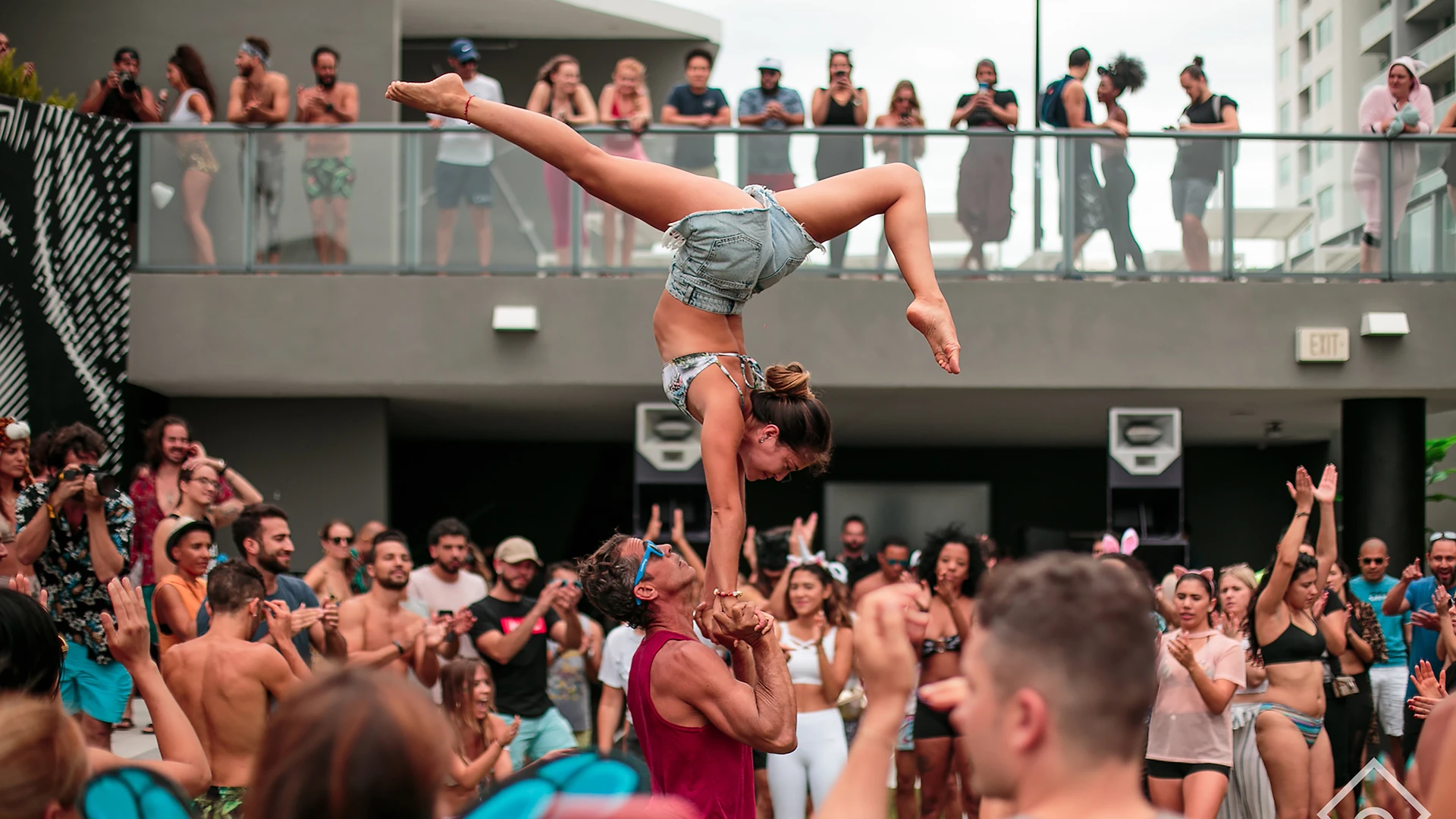
Programming became a way for people to feel the lifestyle before committing to it. Events created opportunities for residents to invite friends, for prospective residents to experience the community, and for the brand to turn social connection into lead generation. The community became the marketing. The experience became the conversion.

Beyond individual events, the work focused on developing repeatable programming structures, resident engagement systems, and lifestyle experiences that helped transform amenities into community assets and community into a leasing advantage.

PMG / Society

What It Taught

Community drives occupancy.

Outcomes

  • Programming used as a leasing tool — events became a lead-generation channel
  • Resident referrals increased through invite-driven social experiences
  • Prospects experienced the lifestyle before signing, shortening conversion cycles
  • Strengthened resident retention through recurring community touchpoints

Case Study · 03

Lionesque · NYC

Turning Brands Into Experiences

What experiential retail taught me about physical connection.

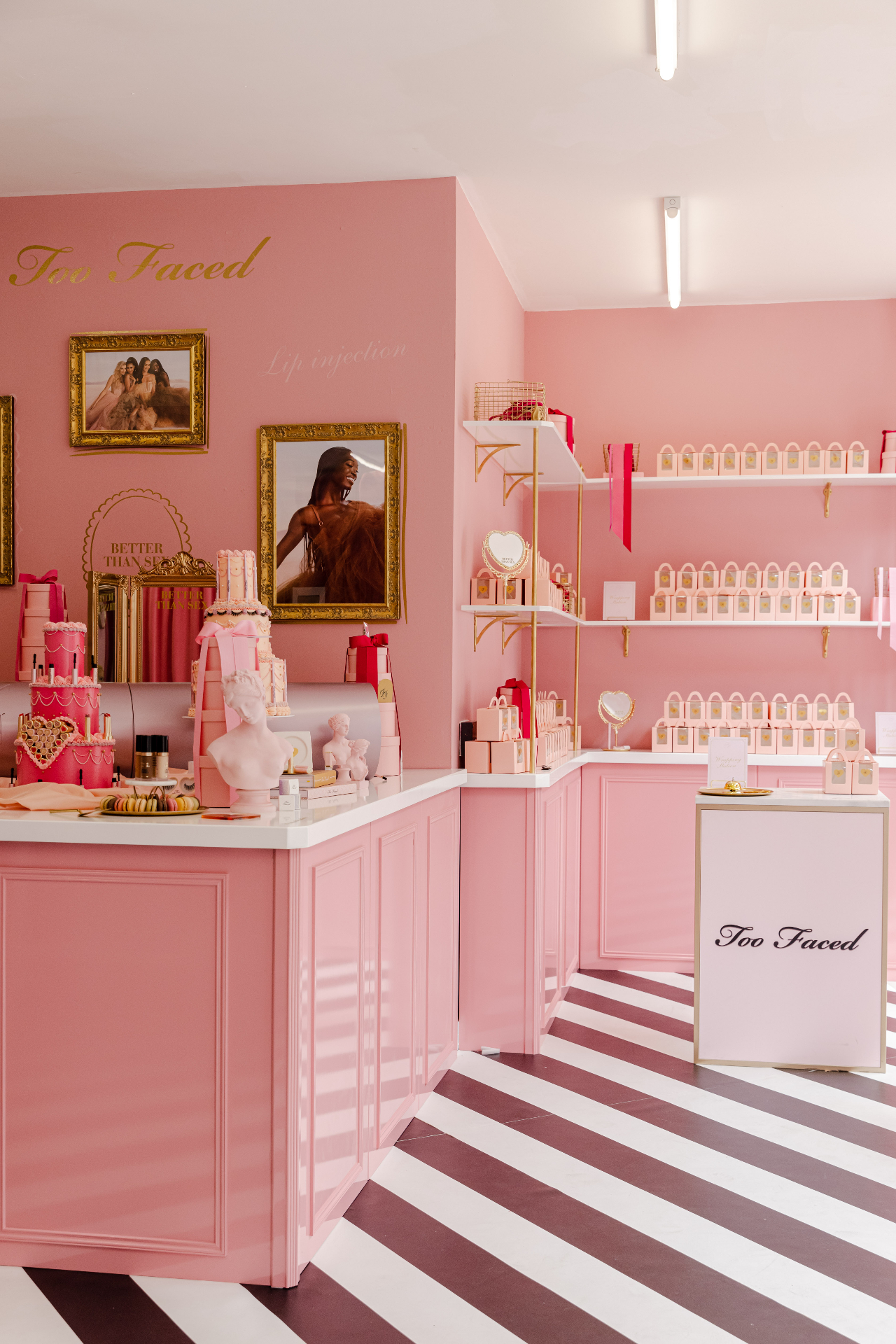
My early work in New York City included experiential brand activations with Lionesque, one of the early pop-up agencies creating temporary physical worlds for emerging and established brands.

At a time when many brands lived primarily online, these activations brought products, aesthetics, communities and brand stories into real life — high-visibility pop-ups, launch parties, branded environments and immersive retail moments where a brand could move beyond the screen and become something people could enter, touch, share and remember.

The room became the campaign. A DJ, a curated guest list, a beautifully built environment and a product worth talking about turned a launch into a cultural moment. People didn't only buy the product — they wanted to be photographed inside the world it lived in.

These experiences were not only about selling a product. They were about creating a world around the product. When people experienced the brand alongside others who also loved it, the product became part of a larger emotional and social identity.

Featured Context

The New York TimesThe Pop-Up Store Revolution

Lionesque · NYC

What It Taught

Experiences create brand loyalty.

Outcomes

  • Activations drove press coverage and earned media for emerging and established brands
  • In-person experiences generated organic social amplification and foot traffic
  • Launch events turned product drops into cultural moments and recurring brand affinity

Case Study · 04

From Observation to Participation

What immersive art taught me about awe.

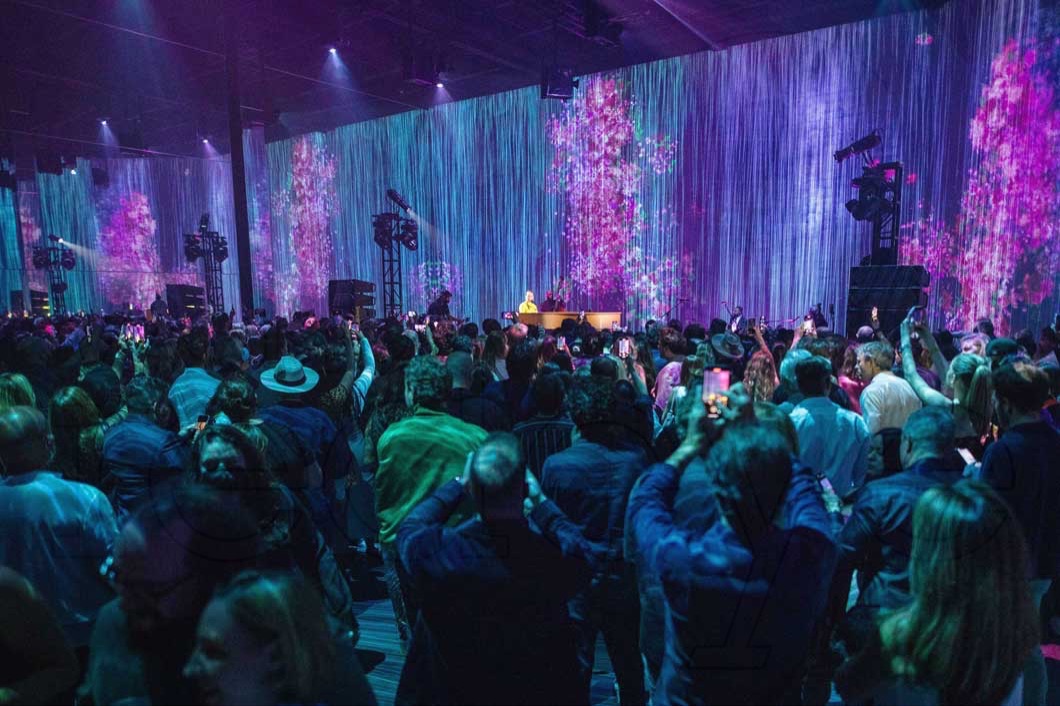
Superblue Miami is a 50,000-square-foot immersive art center built around large-scale installations, sensory environments, light, sound and perception. The space already offered extraordinary art. The opportunity was to create programming that helped people connect through the art, not only observe it.

Through concerts, sound healings, art-inspired sessions and cultural activations, the space became more than a museum environment. It became a place where people gathered, listened, moved, laughed, created and experienced awe together.

One key example was programming connected to an Alicia Keys event at Superblue, where music, immersive art, sensory design and collective presence converged into a shared emotional experience.

The insight was that people do not only want to look at something beautiful. They want to feel part of it.

Superblue Miami

What It Taught

Participation creates emotional memory.

Outcomes

  • Expanded the audience from passive observers into recurring active participants
  • Generated high-profile cultural partnerships and artist collaborations (e.g., Alicia Keys)
  • Programming created repeat attendance beyond single-visit exhibition viewership

Case Study · 05

What Cultural Gatherings Taught Me About Collective Experience

What festivals taught me about belonging at scale.

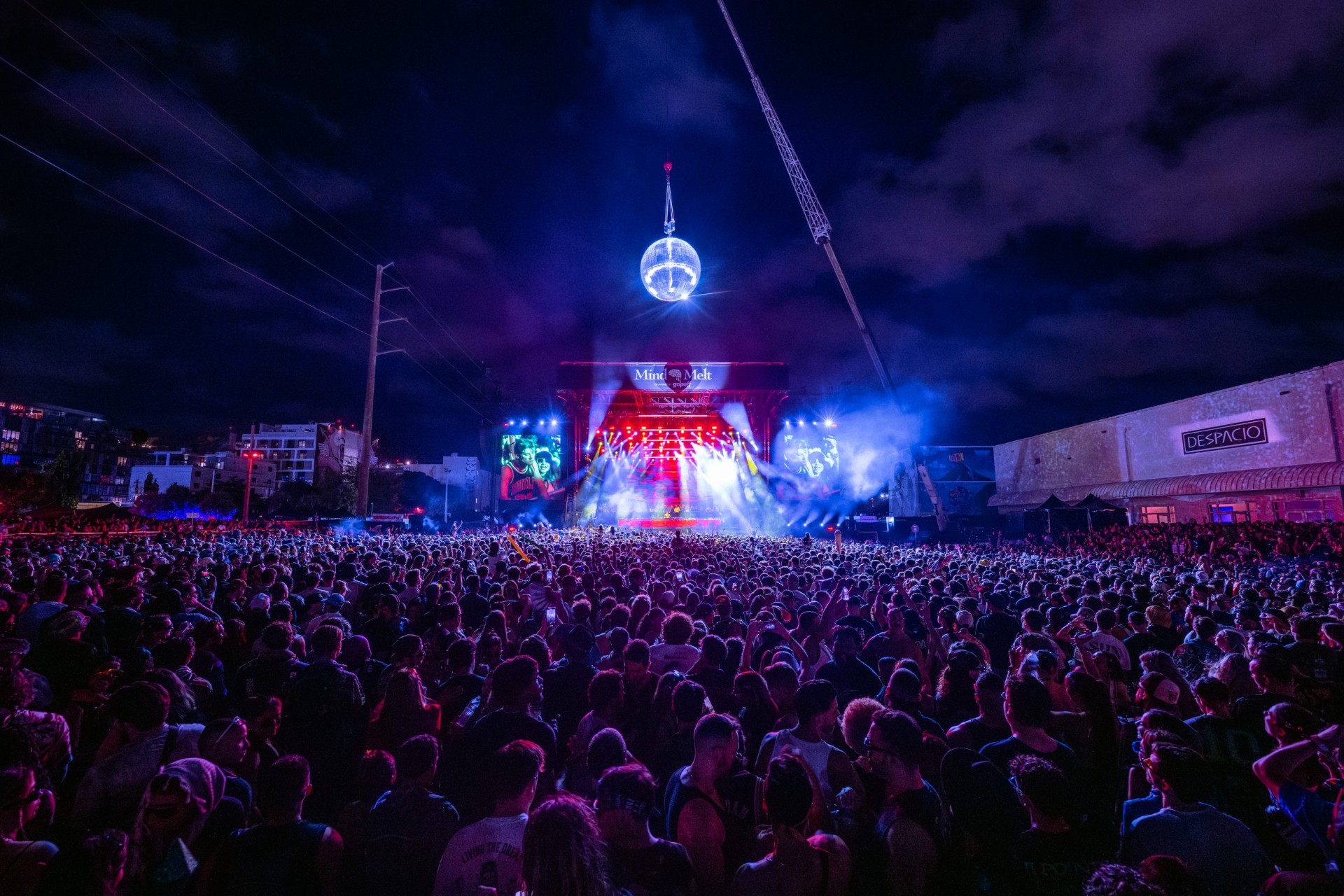
Working within large-scale music and cultural festival environments — including roles connected to industry partnerships and experiential programming — offered another layer of understanding into how people gather at scale.

Unlike hospitality spaces or residential communities, festivals operate as temporary cities built around identity, emotion, culture and shared experience.

These environments revealed how music, atmosphere, community, aesthetics, programming and collective energy can create an immediate sense of belonging among thousands of strangers.

The experience reinforced an important insight: people are not only seeking entertainment. They are seeking participation, identity and connection.

This became another foundational influence on Emotional Architecture™ and the understanding of how culture can transform a space into a living community.

iii Points Miami

What It Taught

Culture creates community at scale.

Outcomes

  • Built belonging across tens of thousands of attendees through programming and partnerships
  • Shaped recurring annual attendance through identity-driven cultural programming
  • Informed long-term frameworks for partnership development and community-led growth

Begin a Conversation

Let's build something people feel and return to.

Book a Consultation →